Hello, my name is...
I’m an English major in the field of computer science and art theory. It’s been a bit confusing to hear about that last semester but now I’m really excited about what it’s going to do for me. My portfolio of coursework and creative writing is going to be incredibly challenging, with some really creative/art-oriented projects like short stories, graphic novels and comics, I’m planning on working on three more of them this year, so I have to plan for that as well!
I have to admit...
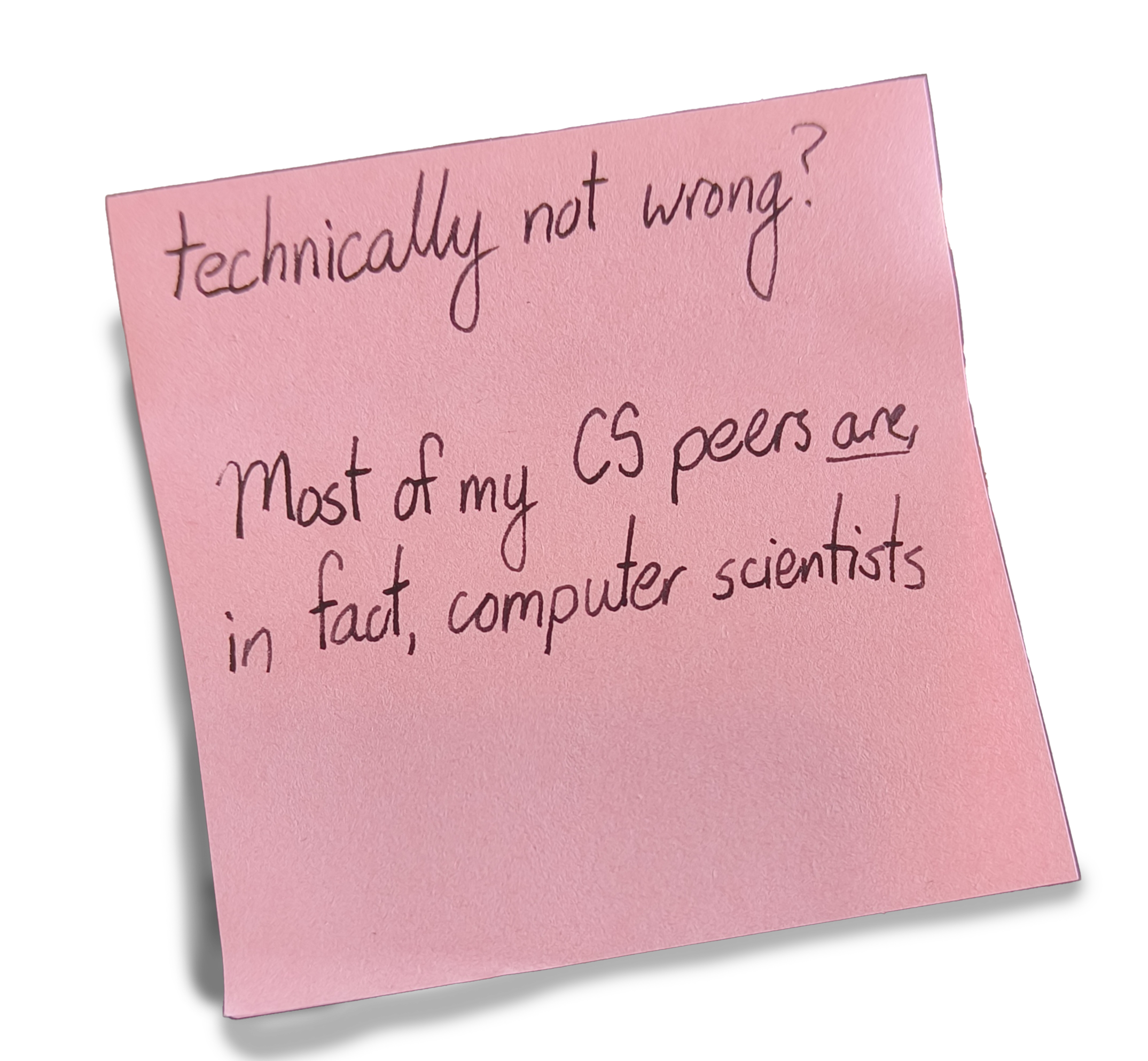
…that I’m a little confused about the term “computer science,” since I haven’t been able to find any reference to it anywhere in the English-language literature. However, I do know that most of my computer science peers are computer scientists, and I’ve found that they tend to be more interested in software development than human-computer interaction (HCI) research. Computer science is not just an art; it’s also a way of life
The world would be a much better place if...
…it were not for the fact that we have so little to offer humanity.
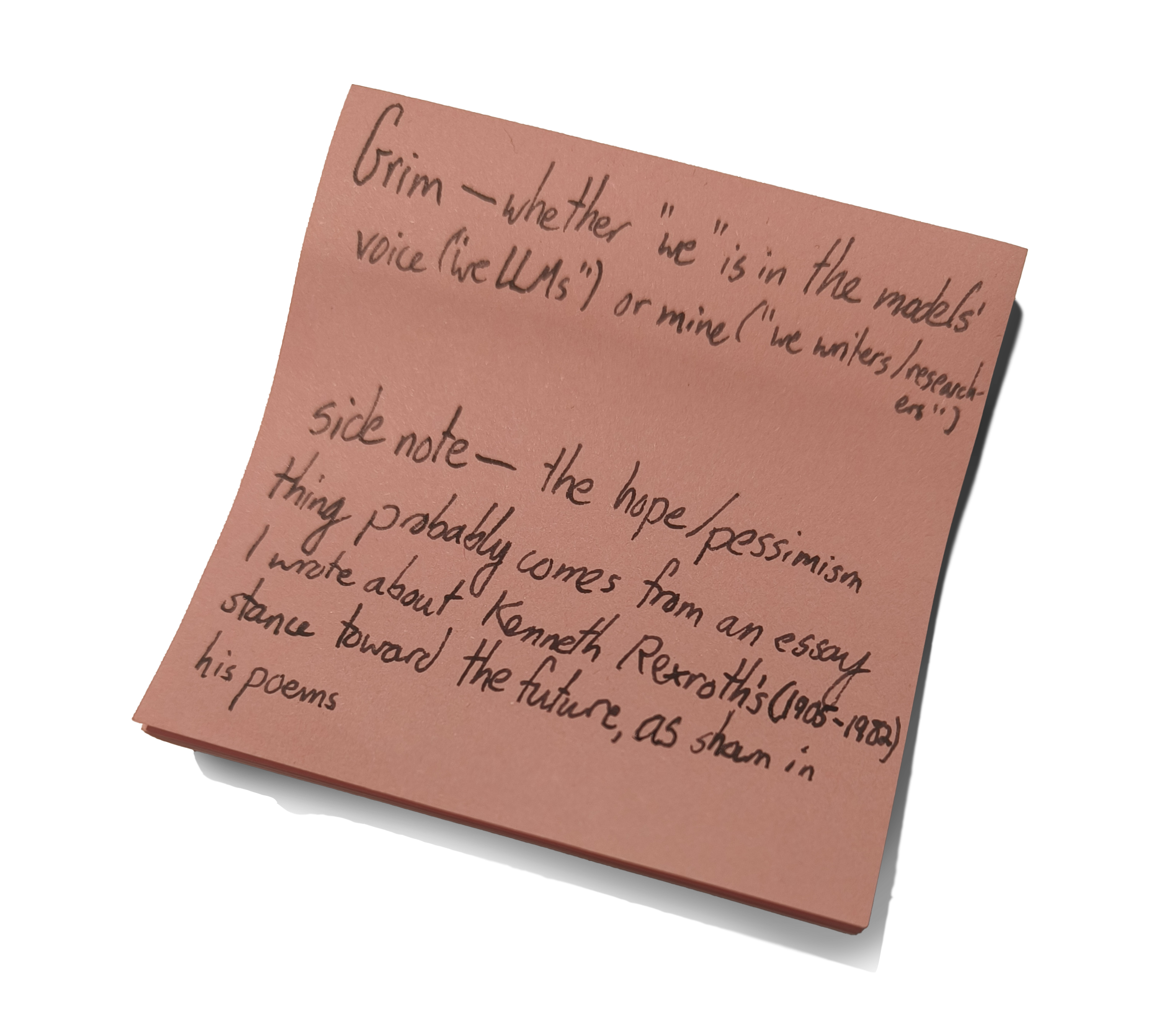
We are living in a time of great change, and I do not want to suggest that this change is inevitable. However, I do want to point out that our present situation is not one of despair; rather, it is a combination of hope and pessimism. Hope is a state of mind which can only be overcome by an act of will.
My greatest strengths are...
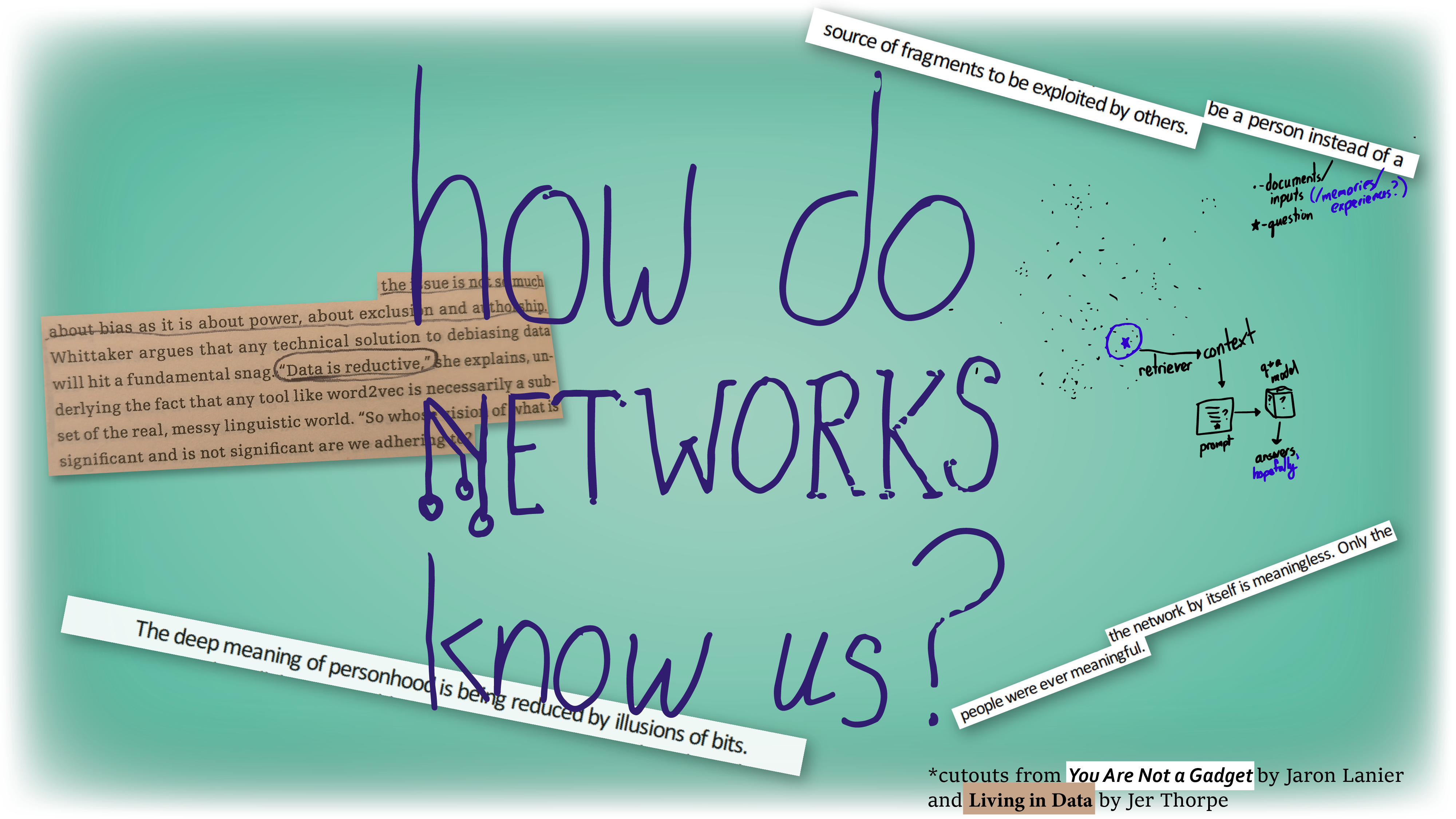
…in communication, empathy, and understanding of others. I’m also a strong advocate for the use of technology to help me understand and respond to my emotions.
My biggest weakness is that I don’t know how to express myself in a meaningful way.
Dystopia is...
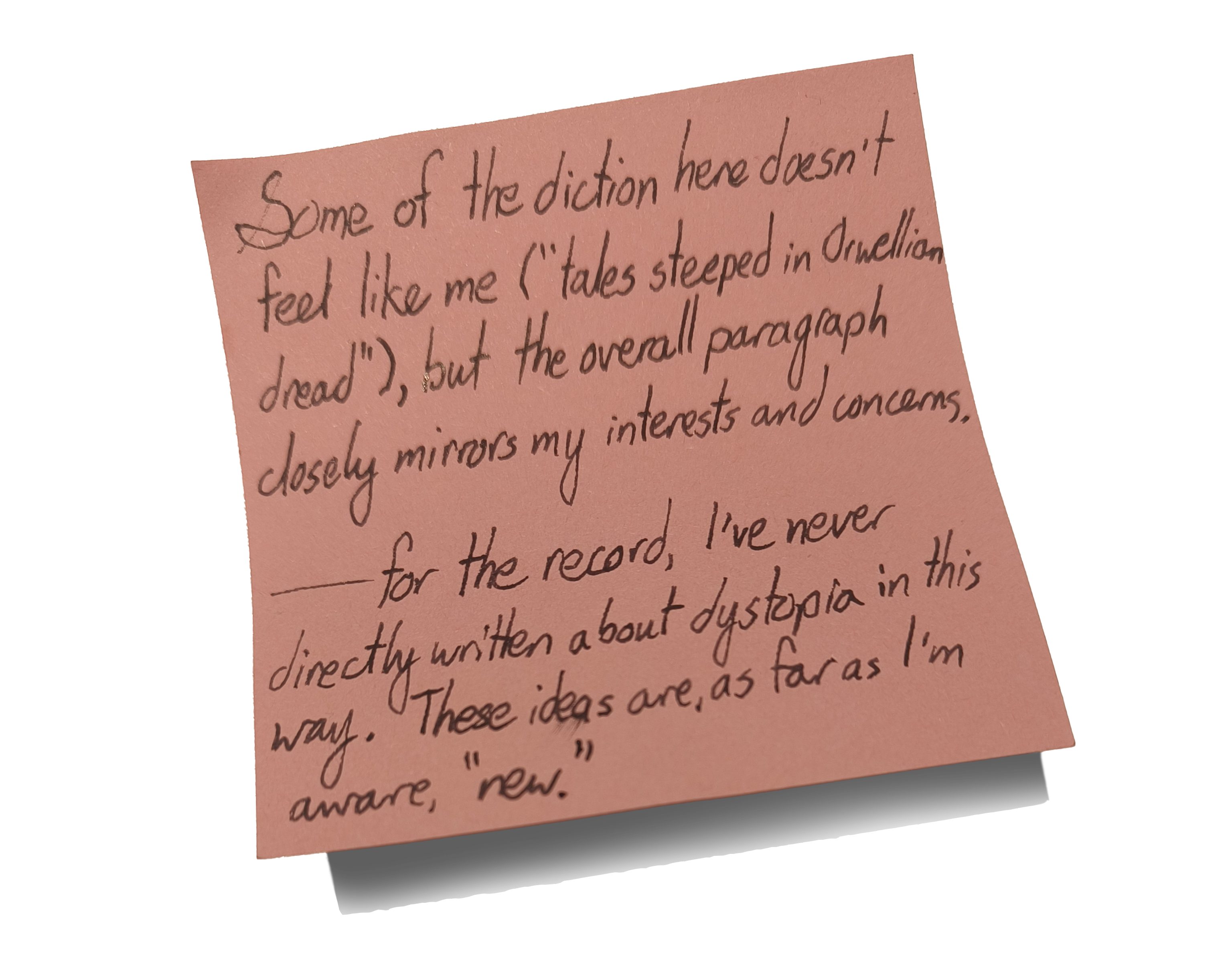
…often seen as a cautionary tale, painting a grim picture of where society could end up when things go awry – especially relevant in discussions surrounding artificial intelligence. To me, it’s a canvas upon which we project our fears, a mirror reflecting our anxieties about control, identity, and loss of individual agency amidst rapidly advancing technology. For instance, consider those tales steeped in Orwellian dread, where surveillance systems breach privacy norms or algorithms dictate life pathways without room for deviation. These stories underscore the importance of infusing humanity back into techno-centric landscapes; after all, isn’t the essence of being human rooted in our imperfections and unique experiences
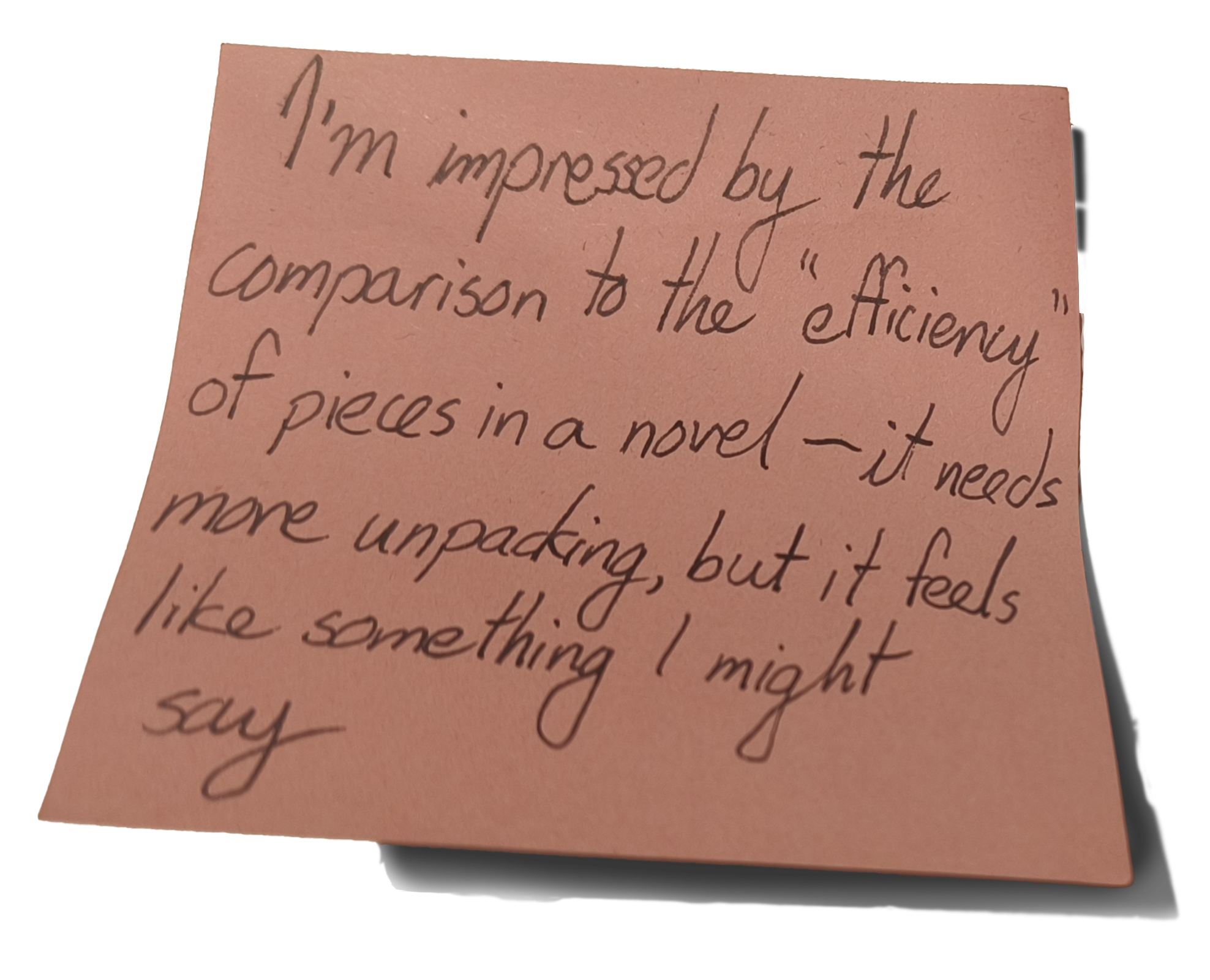
As someone passionately invested in bridging the gap between the arts and sciences, I firmly believe developers and UX designers must adopt a conscientious, human-first approach. They ought to leverage insights from fields like anthropology, sociology, and even literary criticism to foster designs that don’t merely function efficiently but resonate meaningfully with users. Think of it less like building sterile environments optimized solely for utility, and more like curating spaces rich in diversity, nuanced interaction, and capacity for growth – much like a well-crafted novel, each element serving a purpose yet contributing to a cohesive whole.