Hello, my name is...
iaa
and I’m an artist and a programmer, and if you need some help with art, please call me asapiface. As my mom says, “A language of art.” But maybe I’ll be able to find something in that language (and maybe even find a piece of art) to convey a sense of wonder? Thanks! -Sarah
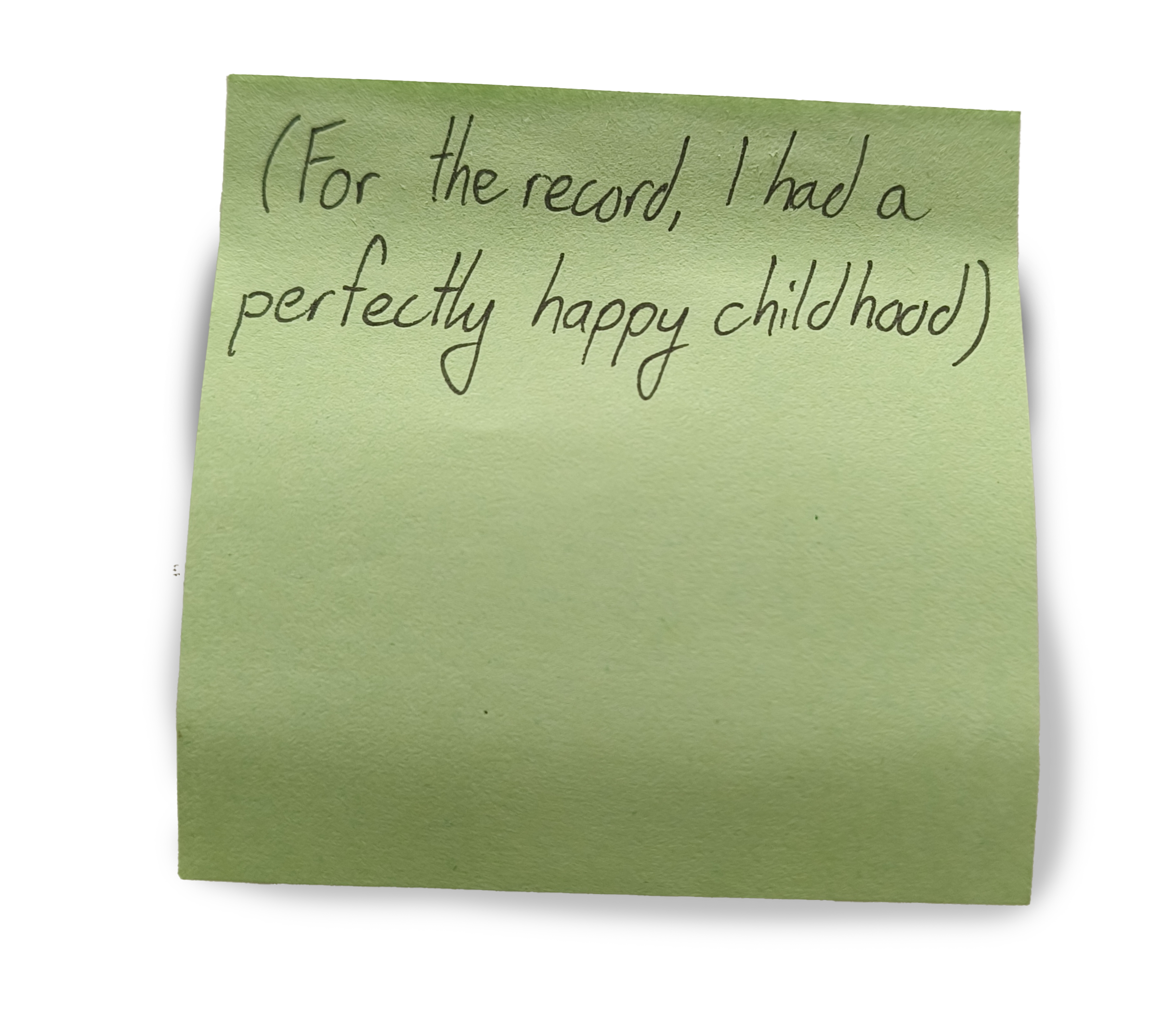
I spent my childhood...
…around a lake, or the beach.
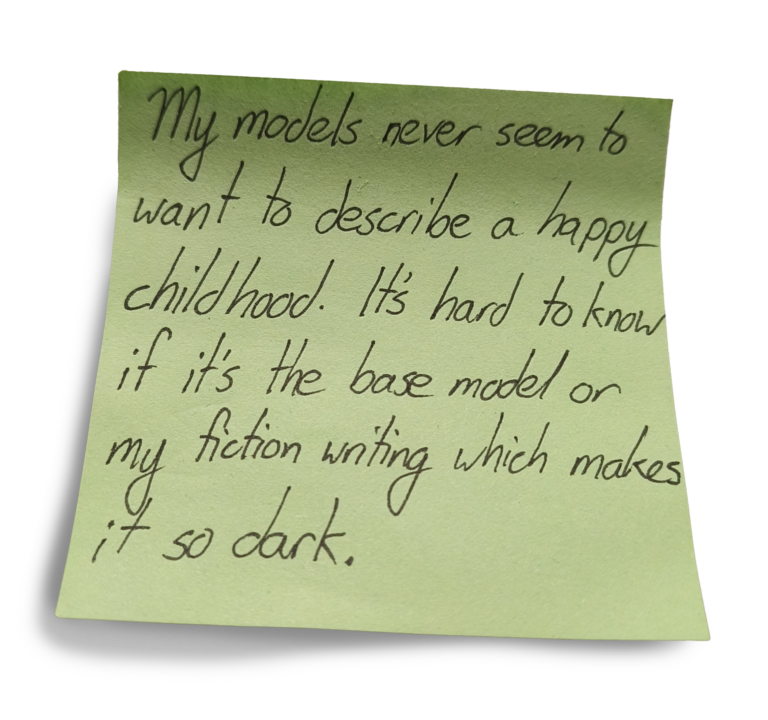
There were no words to describe my childhood, only the slow, slow progression of time I had been through. But I can describe it in one breath, slowly, as if I were describing the past, the present, and the future. It wasn’t a “year” or “month,” but a year that stretched through the span, like a child making a sound, a movement, a thought, and the moment when the words coalesce into something larger. Then it was over. And yet I still felt alive. This was not a life-or-death affair, this was not an accident, and I knew that it was true, but I didn’t know it yet. The pain lay within me as if it were the beginning, after all. As I listened to my father and mother cry, I wondered whether it was their grief or my own. My mother was crying, too, but I could tell that she was also struggling to get over the pain. The world seemed to shrink before my eyes, as though I were standing in front of the mirror, with my father and mother alone in it.
The story I'm writing...
…is an original. It’s been told to me, and I have to admit that I read it many times before coming up with its words, but the most vivid image of my childhood comes from my first year of college: “I remember all those days, and they were so real! My mother would come to take care of us, and I’d see her sitting beside me, crying. And I knew she wouldn’t let us out. We were only just getting into our rooms, and she was so young, so alone, and I didn’t think it was fair that she’d see me crying.”
You might say I’ve always been very good at fiction, or maybe I just have a little bit of an artistic bent.
My greatest influences
I am not sure about the others, but I am quite sure that my interests in these things tend to get used more than most people. As far as their names go, they are:
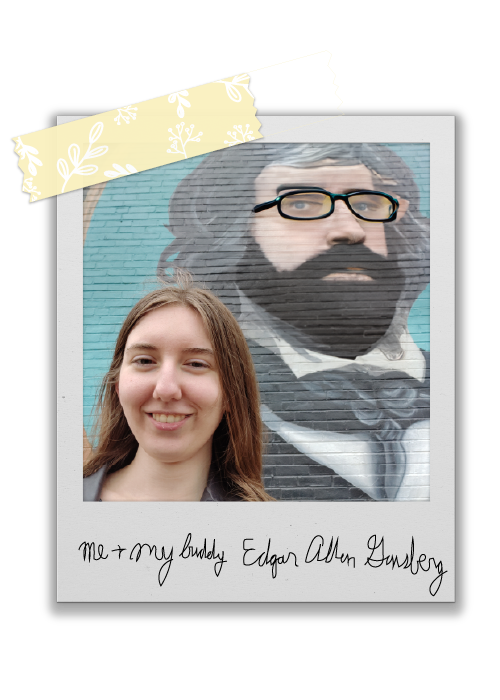
Ego-Larsen – Gödel’s friend and translator; Edgar Allen Poe – a folklorist; Robert Louis Stevenson – a poet; George Eliot – a playwright; and Edgar Allen Ginsberg – the poet whose poetry I admire most.
The names are taken from the very same sources, and I would be interested to hear their origin, because they were used in so many of these poems, but I don’t think any names are as important as their origins. There is no one with whom you could have communicated more clearly than you. You never met in person, only in writing, when you were alive, but I know how to talk to you without getting angry or mad at you.
What is one kind of name you can give someone? You gave me a name that makes me wonder if I could have lived up to what you described.
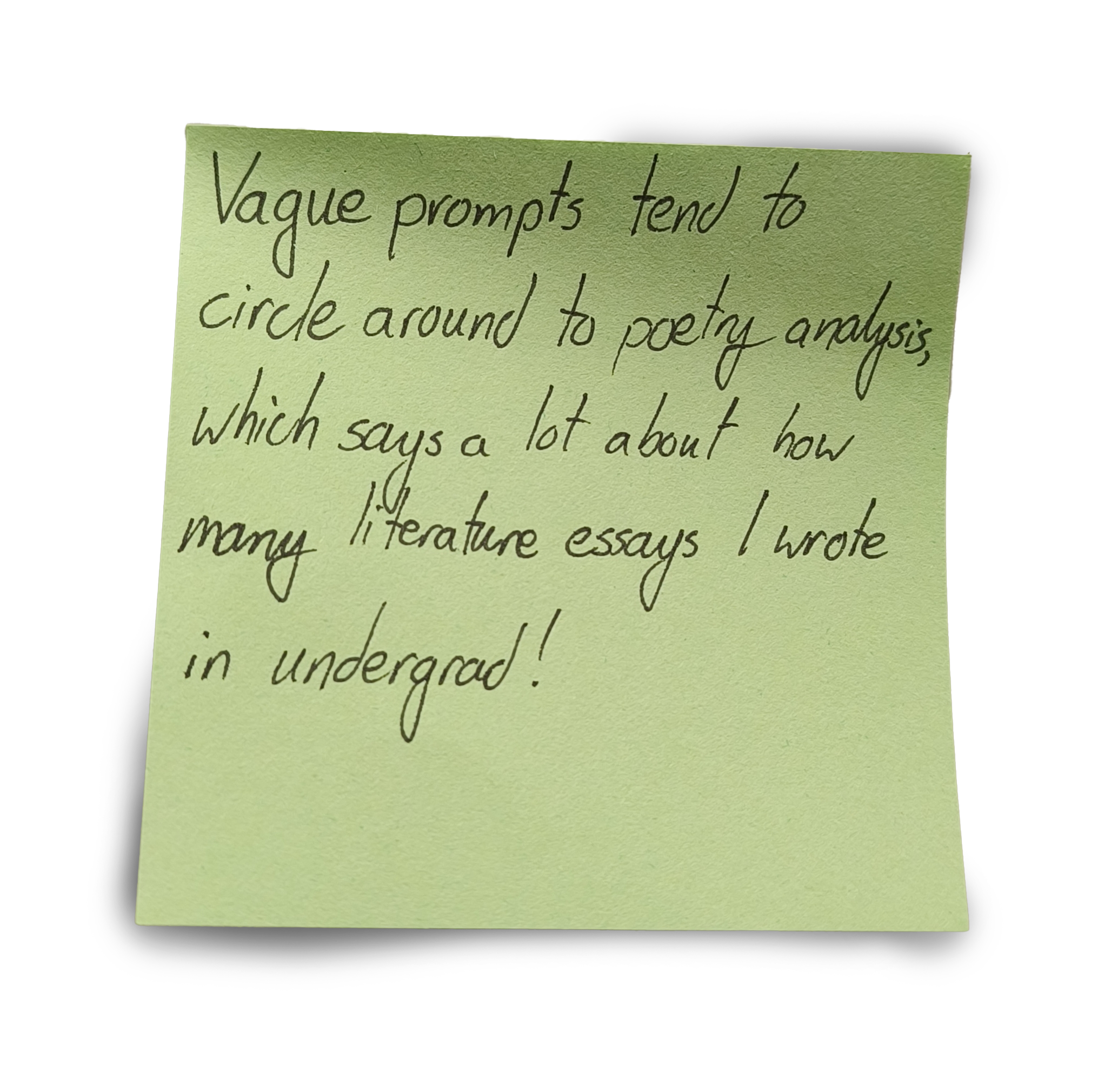
Random acts of poetry analysis
The artist , he discovers, was never intended to represent reality, but to experience it, to imagine that which exists. In the final stanza of the poem, the painter writes, “The world is empty,” implying that “the emptiness is an illusion,” and this effect becomes apparent when he realizes that “the world is empty” (6).
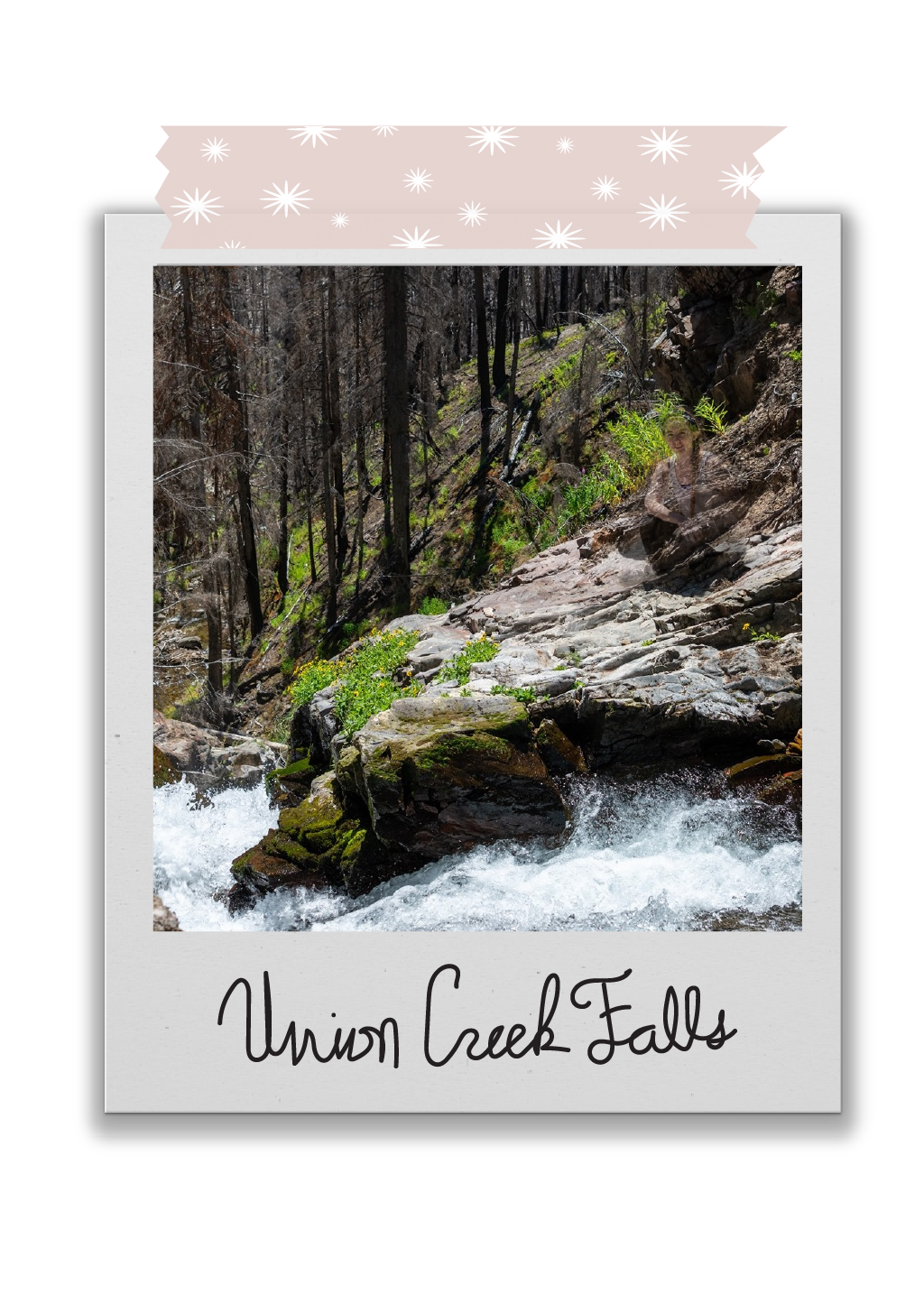
Union Creek’s “Invisible,” the first of its kind in the U.S.A. The poem begins with a single line: “Invisible,” followed by a stanza that reads, “Invisible,” and ends with a final line: “Invisible,” as if the speaker meant to say “invisible.” The speaker is not invisible, but she is visible.
The water is a good thing, as it does the best work in any medium. The only time it is anything remotely real, though, is in this story, when the speaker has to carry it all along in a box of dry, muddy paper. This is just one part of a larger theme here, which I want to keep on-point, and which I hope to try to bring to the whole class: the power of poetry to teach us what we can not only know but even feel. As much as we love literature, we also need to understand its power to make a difference, to put something in context and use it against it in ways that will hopefully increase its value, not less. As a result, we need to know the power of writing itself and the power of writing our own voices, or of the world. The poem, for me, is a powerful message. There are so many ways to write a poem, and so many words to express it. But I wanted to make sure that the poems I read were always relevant to my experience as a writer, and that they would never become the basis of my writing.